HOW PERFORMANCE MARKETING PLAYS A CRUCIAL ROLE IN DIGITAL MARKETING
INDRODUCTION
Performance marketing is a data-driven digital advertising strategy in which businesses only pay when a measurable, predefined action—such as a click, lead, or sale—is completed. This approach enables precise tracking of return on investment (ROI) and allows marketers to optimize campaigns in real time. Common channels include search engine marketing, social media ads, affiliate promotions, native advertising, and more, each focused on delivering tangible outcomes. By aligning payment with results, performance marketing offers cost efficiency, flexibility, and accountability—ensuring marketing budgets are spent only when real value is delivered
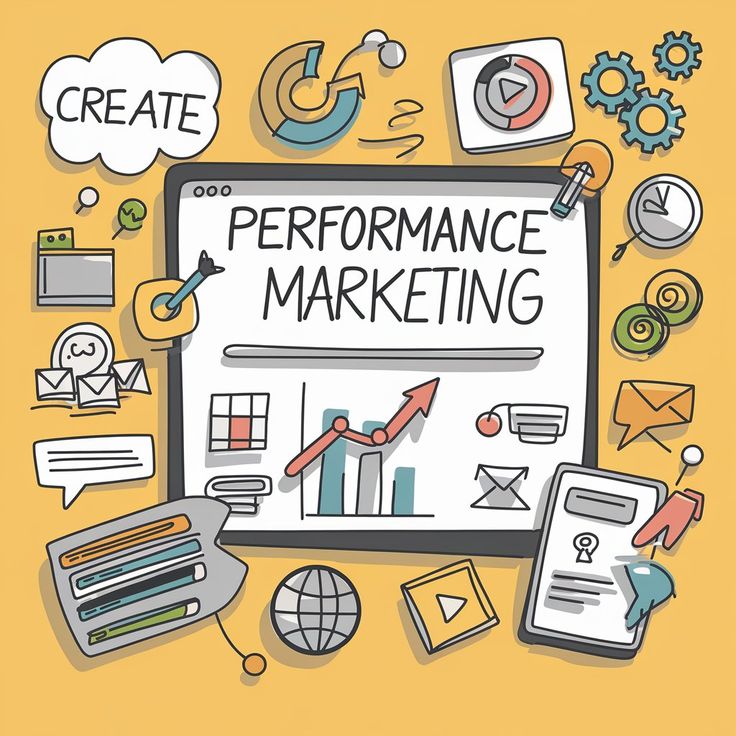
Key Benefits of Performance Marketing
Cost Efficiency
With performance marketing, you eliminate wasted ad spend on irrelevant audiences. You only pay for actual results, which means your marketing budget works harder and produces better returns than broad-based campaigns.
Scalability
Once you identify winning campaigns and conversion channels, you can quickly scale investment knowing the ROI will remain consistent. This allows for rapid, predictable business growth.
Measurable ROI
Every dollar spent can be tracked to a specific result. You know exactly what your customer acquisition cost is and whether your campaigns are profitable. This transparency makes it easy to justify marketing spend to stakeholders.
Targeted Advertising
Modern platforms use advanced audience segmentation and retargeting to reach people at the right moment in their buying journey. By targeting based on demographics, interests, and online behavior, your ads connect with the right audience who are genuinely interested in your products or services. This precise targeting helps increase engagement and significantly improves conversion rates.
Real-Time Optimization
It provides immediate data on what’s working and what isn’t. You can adjust campaigns in real time, test new strategies, and pivot quickly based on performance metrics rather than waiting weeks for results.
Low Risk
Because you’re paying only for actual outcomes, the financial risk is much lower compared to paying upfront for exposure or impressions.
Essential Performance Marketing Channels
Social Media Advertising: Platforms like Facebook, Instagram, LinkedIn offer sophisticated targeting based on demographics, interests, and behavior. Social ads excel at awareness and lead generation at scale.
Affiliate Marketing : Partner with other businesses, influencers, or content creators who promote your product to their audiences. You pay commission only for actual sales or leads they generate.
Email Marketing: Nurture existing customers and prospects with targeted campaigns. Email consistently delivers some of the highest ROI {return on investment} of any marketing channel.
Targeting and Retargeting: Re-engage users who visited your site but didn’t convert. Retargeting campaigns often have lower costs and higher conversion rates since you’re reaching warm audiences.
Search Engine Marketing (SEM) : Capture high-intent users actively searching for your products or services. PPC { pay – per – clicks } campaigns on Google Ads are among the highest-converting channels because users are already interested.
Final Thoughts on the Future of Performance Marketing
The future of marketing will be shaped by artificial intelligence and automation. We’re moving toward a world where campaigns optimize themselves in real time, predicting customer behavior before it happens and adjusting strategies instantly. Machine learning algorithms will analyze millions of data points to identify the best audiences, craft the most compelling messages, and determine optimal bidding strategies without human intervention. This doesn’t mean marketers become obsolete; instead, they’ll focus on strategy and creativity while technology handles the heavy lifting. The evolution ahead promises greater efficiency, higher ROI, and smarter targeting than ever before, making it an essential component of modern digital advertising.
Privacy-First Marketing Approaches
With third-party cookies disappearing and data protection laws tightening, marketers must shift to first-party data and contextual advertising. Brands need to collect customer information directly with clear consent and transparency. Privacy-safe measurement tools will replace traditional tracking methods, ensuring campaigns remain effective. Companies that respect user privacy while delivering personalized experiences will build stronger trust and loyalty.
Cross-Device and Omnichannel Tracking
Consumers use multiple devices throughout their buying journey—smartphones, laptops, and tablets—making it crucial to track the complete path to purchase. Future platforms will seamlessly connect these touchpoints to show how different channels work together. This unified view helps budgets be optimized and enables the creation of coordinated campaigns with better attribution and improved results.
Video and Interactive Content Dominance
Short-form videos on TikTok, Instagram Reels, and YouTube Shorts are driving exceptional engagement and conversion rates. Interactive ads with polls, quizzes, and augmented reality encourage active participation rather than passive viewing. Video content creates emotional connections that static images cannot match. Marketers who master video storytelling and interactive formats will significantly outperform competitors using traditional ads.
Voice and Visual Search Optimization
Voice assistants and visual search tools are changing how people discover products, using natural language and image recognition instead of typed keywords. Strategies must optimize for conversational queries and ensure product images are properly tagged for visual search. Early adopters of these technologies will capture new audiences before the market becomes saturated.
Hyper-Personalization at Scale
AI and machine learning enable brands to create millions of personalized ad variations tailored to individual preferences, behaviors, and contexts. Dynamic content automatically adjusts based on user data, delivering the right message at the right moment. This level of customization dramatically improves conversion rates and customer satisfaction, making campaigns more effective than ever.
Social Commerce Integration
Social media platforms now allow users to discover and purchase products without leaving the app, enhancing advertising efforts. Features like Instagram Shopping and TikTok Shop make the customer journey easier to track and measure. Influencer partnerships become directly measurable as content links to actual sales. Brands creating shoppable, native content will capture impulse buyers and boost conversions.